Engineered, not decorated.
That principle started as a way of thinking about interfaces: no unnecessary layers, nothing added because a template included it. It now shapes something bigger: how we think about the systems a business actually runs on, not just the screens it shows the world.
Most small businesses are offered two options. Neither fits.
Off-the-shelf software asks you to shape your business around somebody else's assumptions about how your industry works. Enterprise consulting can build exactly what you need, but it comes with a scoping process, an account team and a budget sized for an organisation several times yours. Most small and mid-sized operations sit in the gap between the two, running on spreadsheets, shared inboxes and workarounds, because neither option was ever really built for them.
State Zero exists to close that gap: the discipline of an enterprise engagement, without the overhead that makes it inaccessible.
Built from the inside of both worlds.
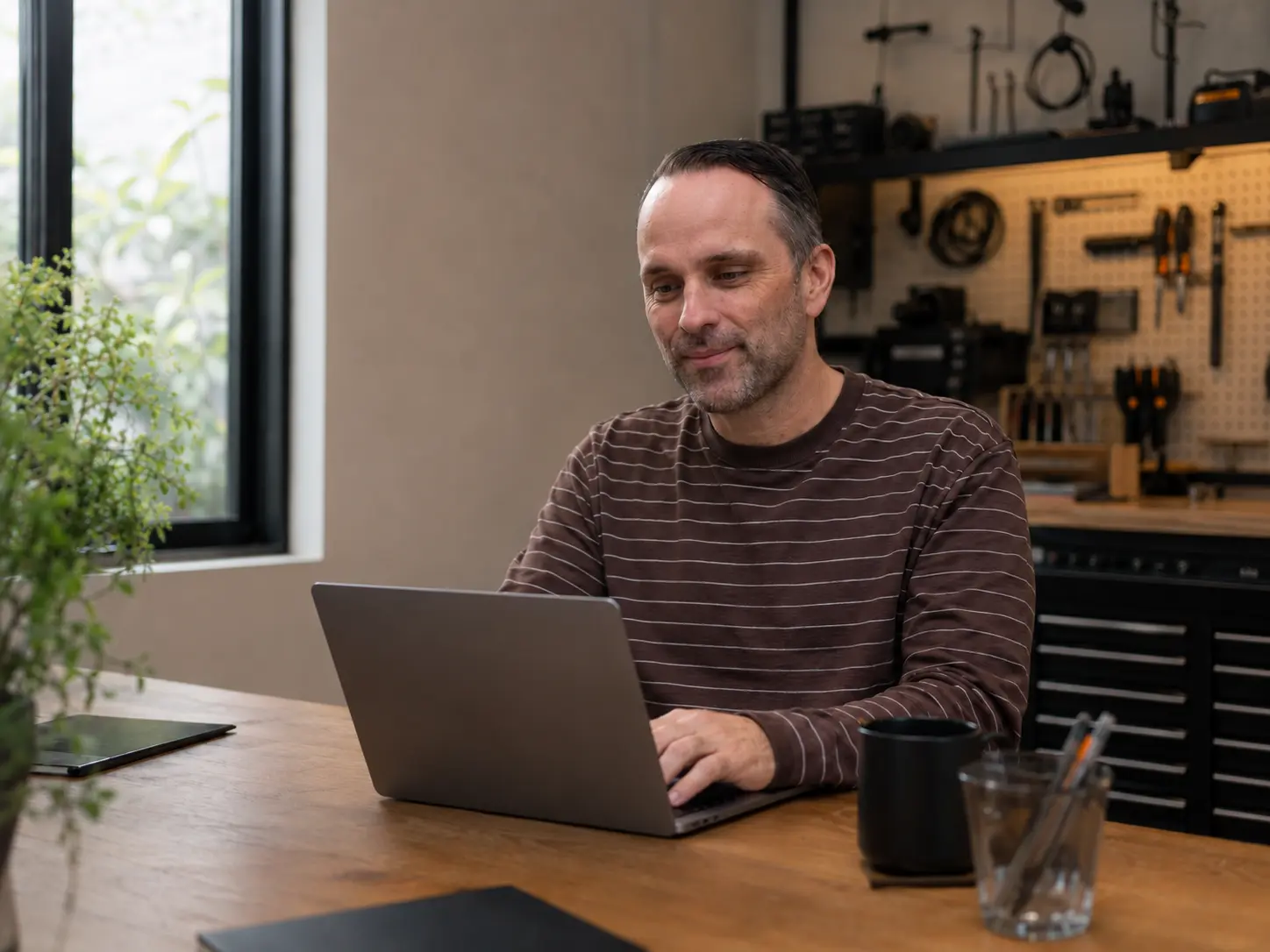
Joel has spent twelve years in enterprise SaaS sales, ERP and systems design, working with partners including Oracle, Shopify, Microsoft and Google. He has owned and operated retail stores for nine years. He still designs and manages systems for enterprise organisations.
State Zero exists to bring that enterprise standard to founder-operators and small businesses, across service, retail, allied health and more, at a budget they can actually pay. The same judgement used on a large platform is applied to a three-page site or a practice that needs its published rates to be defensible.
The studio is founder-led. Joel is involved from the first conversation through to what runs in production. Specialist collaborators, including Adaptation.ai for APRA-certified high-risk systems, come in only where the work genuinely calls for them.
Three things we don't take for granted.
A first-principles approach means going back to the actual problem before reaching for a familiar answer.
Start with how the business runs
Question the default
Build only what earns its place
Modern delivery has changed who can afford this.
A system built around how one business actually works used to be something only larger organisations could justify: years of engagement, teams of consultants, a budget to match. Componentised, modern development and AI-assisted delivery have changed that maths. The discipline is the same. The overhead it used to require isn't.
Small businesses should not need an enterprise budget to access software designed around their operation.
State Zero isn't the right fit for every business, and that's fine.
A founder-operator who needs a site that works
A musician, a clinician, a retailer: someone who needs to be findable, accurate and easy to enquire with, then wants the site looked after.
Want direct access to who builds it
No account manager relaying decisions on your behalf. You deal directly with the person doing the work.
Can make a call without a procurement process
Founder-led decisions on both sides, not a sign-off chain built for a much larger organisation.
Thinking in systems, not just features
Interested in how the pieces connect to each other, not just the one screen in front of them.
Tell us what your business is still doing the hard way.
Start with the problem, not the technology. We'll help work out whether there's a sensible way to fix it, and whether we're the right people to build it.