A storefront, a spec builder, and the systems behind the sale
A Brisbane custom PC retailer needed more than a brochure. The site, the pricing, the layby book and the CRM had to run as one operation.
The problem
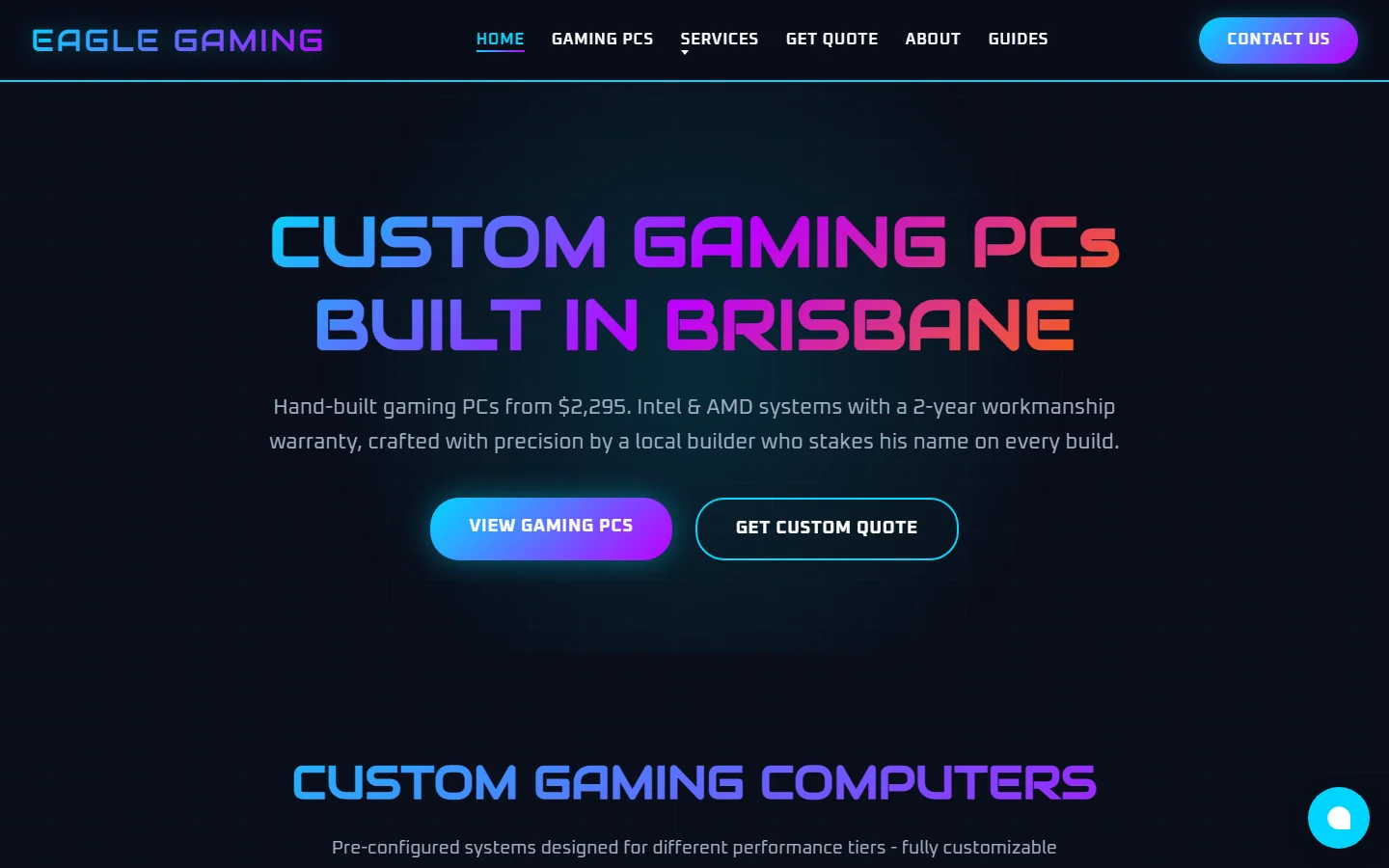
Eagle Gaming builds custom gaming PCs to order in Brisbane. Buyers are technically literate. They want to compare tiers, see what is inside the case, and trust the business behind the build. A brochure site could do the first half of that. It could not keep supplier prices current, take a deposit, run a layby, or let the team change a spec without rebuilding the page by hand.
The approach
We treated the website as the front of the operation, not a separate marketing object. Product pages, the specification builder, checkout, layby and the internal CRM share the same records. When a spec changes, the public page rebuilds from that submission. Margin is recalculated on a schedule, from live supplier data, so the team is not re-keying prices.
What we built
- A public site with clear product tiering across the gaming PC ranges, built for a technically literate buyer
- A back-end specification builder. Updated specs publish to the site and recalculate margin automatically
- API-driven pricing from supplier sources, so listed prices stay aligned with cost
- Stripe-connected e-commerce for orders and deposits
- Eagle Vault, a connected application for customer layby
- A CRM sitting behind the storefront, so an enquiry and a build live in one place
Outcome
Customers can compare builds, start a purchase or a layby, and reach the team without a trail of spreadsheets behind the scenes. The site is the storefront. The systems behind it are what keep the storefront honest.

A specialist broker site, with a briefing room he can keep writing
A Queensland aviation finance broker needed a site that spoke to pilots in their own language, and a place to publish market notes without calling a developer.
A relaunch that started producing enquiries, with quoting behind it
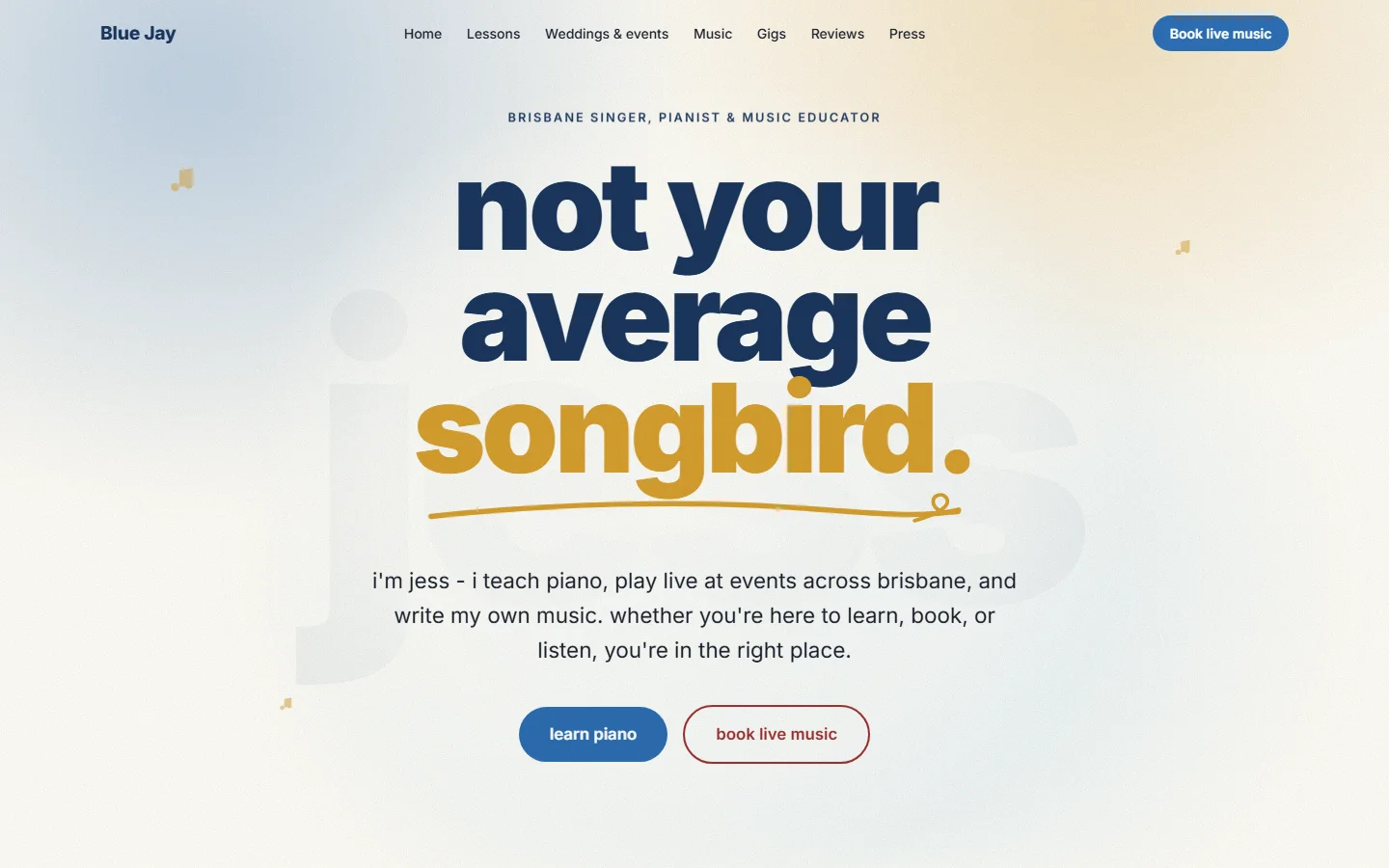
A Brisbane musician needed to replace a GoDaddy site that was not winning work, and a way to turn an enquiry into a quote and a deposit without email tennis.